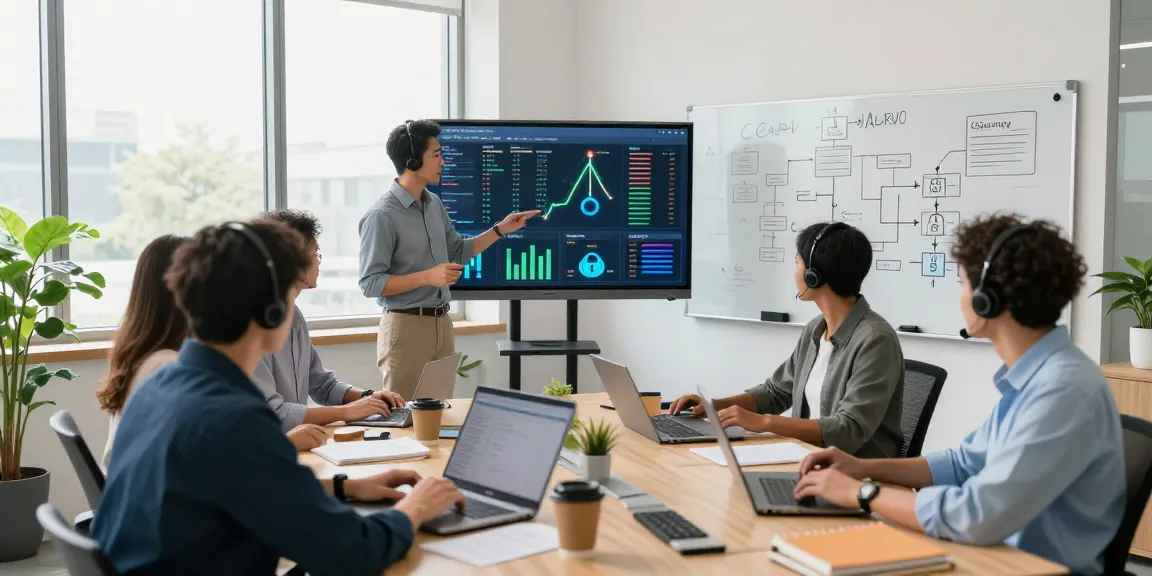
Understanding IT Support Business Fundamentals
In today’s digital landscape, a robust IT support business has become an essential partner for organizations of all sizes. As businesses increasingly rely on technology to drive growth and efficiency, the importance of IT support cannot be overstated. With the right IT support, companies can streamline their operations, ensure data security, and enhance overall performance. Understanding the fundamental aspects of IT support is crucial for businesses aiming to leverage technology effectively. When exploring options, it support business services can provide comprehensive insights into managing IT challenges.
What is IT Support and Its Importance for Businesses?
IT support refers to the services offered to help businesses manage their technology resources efficiently. This encompasses a wide range of activities, including troubleshooting, system maintenance, software updates, and user assistance. The importance of IT support in a business environment lies in its ability to minimize downtime, ensure data integrity, and enhance productivity. By leveraging professional IT support, businesses can focus on their core operations while leaving technical complexities to the experts.
Key Components of an IT Support Business Model
- Helpdesk Services: Providing immediate assistance for technical issues.
- Remote Monitoring and Management (RMM): Using specialized software to monitor systems and address issues proactively.
- Infrastructure Management: Overseeing network configurations, servers, and data storage solutions.
- Security Solutions: Implementing measures to protect against cyber threats.
- Consultation and Strategy: Offering expert advice on technology investments and enhancements.
The Role of RMM in Proactive IT Support
Remote Monitoring and Management (RMM) technology has revolutionized the IT support landscape. By allowing IT teams to monitor systems in real time, RMM solutions enable proactive identification and resolution of potential issues before they escalate into critical problems. This method not only enhances system reliability but also reduces overall operational costs for businesses by preventing downtime and optimizing resource usage.
Choosing the Right IT Support Package
Selecting the most suitable IT support package is vital for aligning IT services with business objectives. Organizations must assess their unique needs, size, and growth aspirations when choosing their IT support plan. The right package will not only enhance productivity but also ensure that the infrastructural investments yield significant returns.
Evaluating Essential vs. Professional IT Support Options
Essential IT support packages typically include basic helpdesk services and fundamental monitoring, making them ideal for small businesses with limited IT needs. In contrast, professional IT support offers a more comprehensive suite of services, including advanced monitoring, strategic planning, and dedicated account management for larger organizations or those with complex IT infrastructures.
Factors to Consider for Enterprise Level IT Support
- Scalability: The ability to adapt support services as the business grows.
- Customizability: Tailoring services to meet specific business processes and compliance requirements.
- Expertise: Access to skilled professionals experienced in specific technologies and industries.
- Service Level Agreements (SLAs): Clearly defined expectations for response times and issue resolution.
How to Custom Tailor IT Services for Your Business Needs
Every business is unique, and tailoring IT support services to fit specific needs is essential for maximizing effectiveness. Organizations should start by conducting a thorough assessment of their IT requirements, followed by consultations with potential service providers to discuss customizable options. This ensures that businesses receive the specific support they need without paying for unnecessary services.
Real-World Applications of IT Support Services
To fully appreciate the value of IT support, examining real-world applications can provide valuable insights. Various case studies illustrate how effective IT support services can transform business operations and improve overall satisfaction among users.
Case Studies: Successful IT Support Implementations
Numerous organizations have benefitted from proactive IT support implementations. For example, a mid-sized retail firm was able to enhance its customer experience by integrating a robust IT support service that streamlined its e-commerce operations. By resolving technical issues swiftly and ensuring system reliability, this company significantly improved its sales and customer satisfaction metrics.
Common Challenges in IT Support and How to Overcome Them
Challenges often arise in implementing IT support services, including communication gaps, resistance to change, and budget constraints. To overcome these obstacles, businesses should foster open communication channels with their IT support providers, engage in ongoing training for their staff, and establish clear budgetary guidelines to avoid unforeseen expenses.
Innovative IT Solutions for Remote Work Environments
As remote work continues to evolve, innovative IT solutions have become indispensable. Businesses must invest in secure remote access technologies, cloud-based collaboration tools, and robust cybersecurity measures to support a distributed workforce. IT support services that specialize in remote solutions can provide essential guidance in this area, ensuring that organizations maintain productivity and security.
Future Trends in IT Support Business
As technology continues to advance, so too do the trends shaping the landscape of IT support services. Staying ahead of these trends can position businesses for success in a rapidly changing environment.
Emerging Technologies Shaping IT Support in 2026
Technologies such as artificial intelligence, machine learning, and automation are poised to redefine IT support processes. By implementing AI-driven tools, IT support teams can enhance efficiency, improve response times, and provide personalized user experiences.
Sustainability and IT Support: A Growing Concern
With increasing focus on sustainability, many businesses are looking for IT support solutions that align with eco-friendly practices. This includes promoting cloud services that reduce energy consumption and encouraging the use of energy-efficient hardware.
The Impact of Cybersecurity on IT Support Services
Cybersecurity will continue to be a significant component of IT support services in the coming years. As threats evolve, businesses will need to ensure that their IT support providers offer comprehensive security solutions, including regular audits, vulnerability assessments, and incident response strategies.
Measuring IT Support Effectiveness
To ensure IT support services deliver the expected benefits, businesses must implement effective measurement strategies. This involves analyzing performance metrics and user satisfaction levels to identify areas for improvement.
Key Performance Indicators for IT Support Businesses
- Response Time: The average time taken to resolve issues.
- First Contact Resolution Rate: The percentage of issues resolved during the first interaction.
- User Satisfaction Scores: Regular feedback from users regarding their IT support experience.
Improving Customer Satisfaction in IT Support Services
Customer satisfaction can be enhanced through regular communication, proactive support measures, and continuous training for IT support staff. By actively seeking user feedback and responding to concerns effectively, organizations can foster a culture of excellence in IT support.
Feedback Mechanisms for Continuous Improvement
Implementing feedback mechanisms is crucial for ongoing improvement in IT support services. By utilizing surveys, focus groups, and performance reviews, businesses can gather valuable insights that inform service adjustments and enhancements.
What are the main types of IT support services?
The main types of IT support services typically include helpdesk support, remote monitoring and management (RMM), cybersecurity services, infrastructure management, and consultancy services. Each of these components plays a foundational role in ensuring business continuity and technology reliability.
How can small businesses benefit from IT support?
Small businesses can benefit from IT support by gaining access to technical expertise without the need for in-house personnel. This results in cost savings, improved efficiency, and the ability to focus on core business functions while ensuring technology operates smoothly.
What should businesses look for in an IT support partner?
When selecting an IT support partner, businesses should consider factors such as experience, responsiveness, technology offerings, and support customizability. Trustworthiness and transparent communication are also essential elements to assess.
How does RMM technology enhance IT support?
RMM technology enhances IT support by facilitating real-time monitoring of systems, which allows for proactive issue resolution and minimizes downtime. It enables IT teams to maintain optimal performance and security across all networked devices.
What are the future challenges for IT support businesses?
Future challenges for IT support businesses may include adapting to rapid technological advancements, meeting increasing cyber threats, and accommodating the evolving needs of remote working environments. Continuous innovation and proactive strategies will be necessary for staying competitive in this landscape.